
Convertible Crib vs. Standard Crib: Which One Do You Need?
Both will get your baby through the crib years safely — the real question is how many stages of childhood you want one piece of furniture to cover.
What’s the difference between a convertible crib and a standard crib?
Nearly every crib sold today converts to some kind of toddler bed — that’s no longer a premium feature. The IKEA Gulliver ($249.99), for example, is a basic two-stage crib: it’s a full-size crib, and one side panel comes off to turn it into an open toddler bed, no extra parts needed. That’s what we mean by “standard” here: one built-in conversion, included in the price.
A convertible crib goes further. The Graco Benton 4-in-1 ($199.99) converts through four stages — full-size crib, toddler bed, daybed, and eventually a full-size headboard/footboard — but only the first conversion (to toddler bed) is included. Turning it into a daybed or attaching it to a full-size bed frame requires a conversion kit and, for the full-bed stage, a separate full-size mattress. Babyletto and DaVinci sell these kits separately: toddler-bed kits generally run $79-$199, and full-bed conversion kits run $129-$249.
How do they compare on price and features?
| Standard Crib | Convertible Crib (3-in-1/4-in-1) | |
|---|---|---|
| Typical price | $150-$260 | $200-$500 |
| Stages included | Crib + 1 conversion (toddler bed) | Crib + toddler bed; daybed/full-bed usually need a kit |
| Conversion kit cost | None needed | $79-$199 (toddler bed) · $129-$249 (full bed) |
| Mattress height positions | Usually 2-3 | Usually 3-4 |
| Weight/height limits | Varies by model | Example: Graco Benton — 35″ height limit in crib mode; 50 lb limit in toddler-bed and daybed modes |
| Best for | Budget-focused parents, smaller nurseries, one planned move to a toddler bed | Parents who want the furniture to last through elementary-school age |
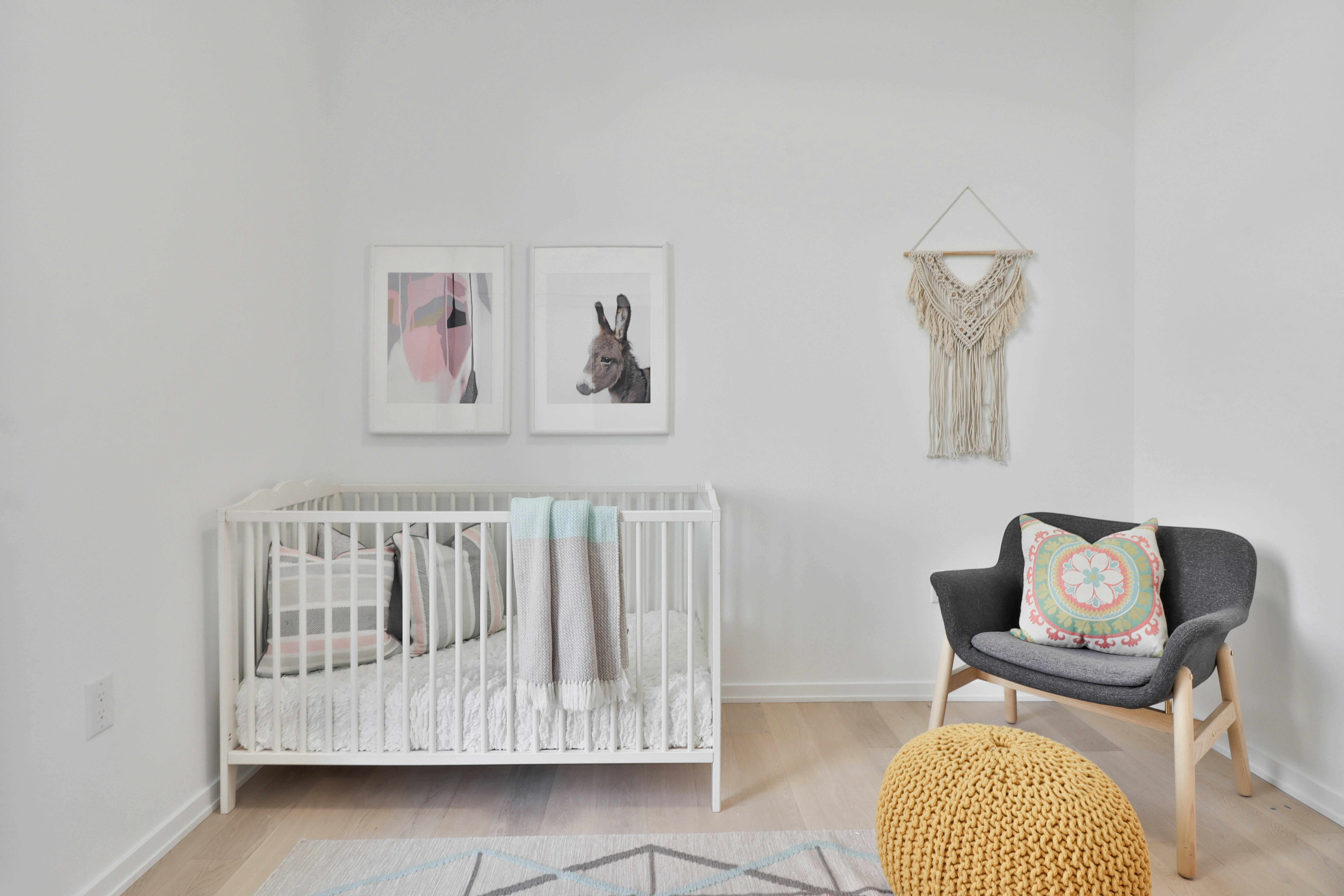
When does a standard crib make more sense?
- You’re budget-conscious. Standard cribs are almost always the cheaper starting point, and you skip paying for conversion stages you may never use.
- You’re tight on space. A simpler crib frame is usually more compact than a 4-in-1 designed to eventually hold a full-size bed frame.
- You already plan to buy a “big kid” bed later. If a twin or full bed is already in your long-term plan, paying extra now for a crib that converts into one doesn’t save you much.
- This is your only child, for now. A crib you’ll hand off or resell once your toddler graduates to a real bed doesn’t need to convert three more times.
- You want fewer parts to track. No kit to buy, store, or lose the instructions for down the line.
When is a convertible crib worth the extra cost?
- You’re planning for more kids. A crib that converts to a daybed or full bed can move with your child instead of getting replaced, then get reused for the next baby in crib mode.
- You want one piece of furniture for years. Some 4-in-1 cribs are designed to stay in use into elementary school as a full-size bed frame.
- You’re willing to budget for kits later. The savings only work out if you actually buy the toddler-bed and full-bed kits when the time comes — factor that $200-$450 total into your real cost, not just the sticker price.
- You like the aesthetic continuity. Matching wood tones and hardware across all stages can matter if the crib is a centerpiece of the nursery design.
- You want resale value. A recognizable convertible model from a brand like Babyletto or DaVinci can hold resale value better than a bare-bones fixed crib.
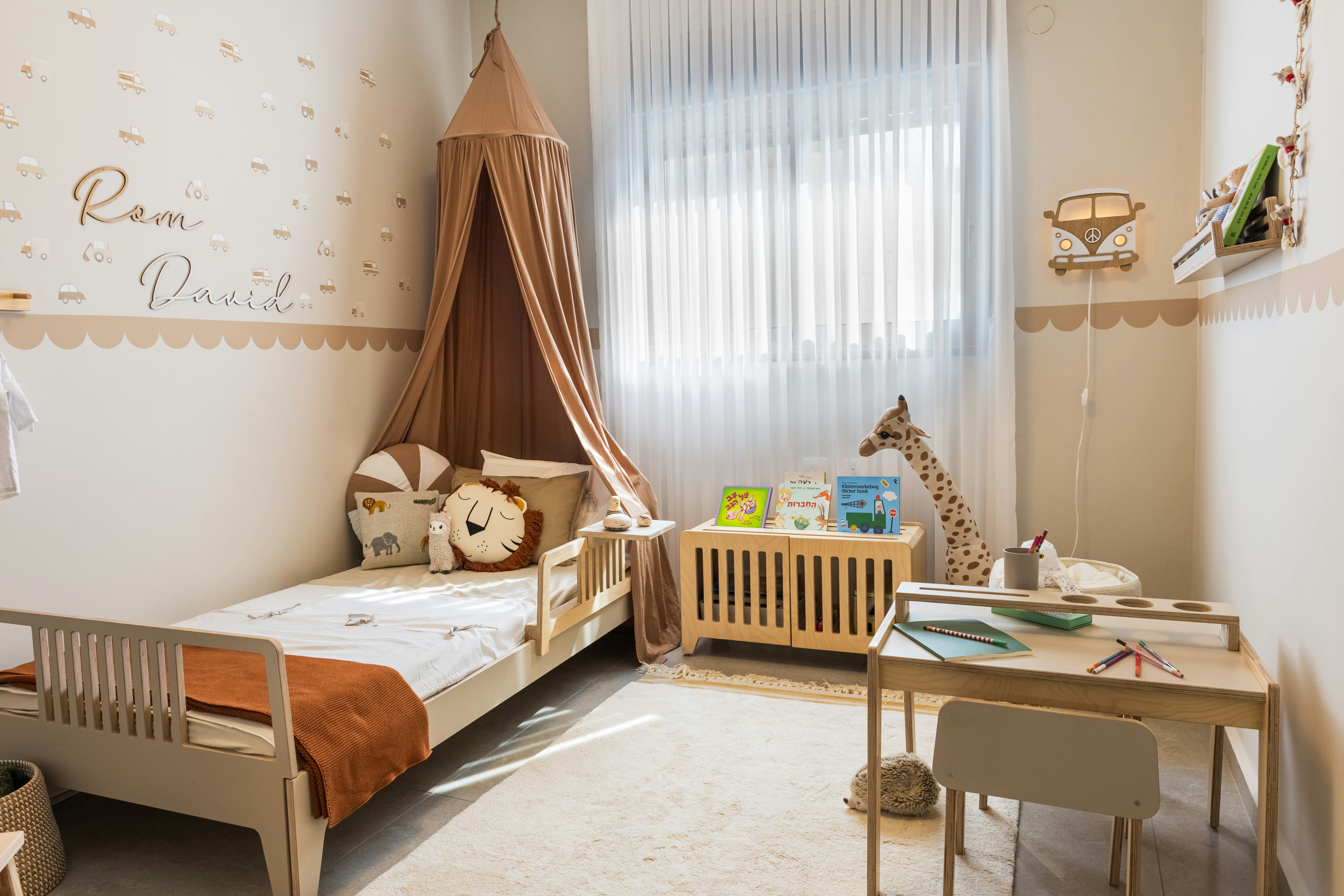
What should you check before buying either one?
Whatever you choose, a few things matter more than the marketing label:
- Safety standard applies to crib mode only. The federal crib safety standard — 16 CFR Part 1219, built on ASTM F1169 — covers the crib configuration. Once converted to a toddler bed, daybed, or full bed, safety depends on the manufacturer’s own guidelines, not a separate federal standard.
- Know the real total cost. A $199.99 convertible crib that needs a $150 kit and a $200 mattress for full-bed mode isn’t necessarily cheaper than a $260 crib that never needs another purchase.
- Check mattress compatibility at each stage. Crib and toddler-bed stages use a standard crib mattress; the daybed and full-bed stages typically require a twin or full-size mattress you’ll need to buy separately.
- Match the conversion timeline to your child’s actual transition. The American Academy of Pediatrics generally advises moving a toddler out of a crib once they’re climbing out or nearing about 35 inches tall — not on a fixed age — so buy the conversion kit when you’re close to that point, not years in advance.
FAQ
What’s the real difference between “convertible” and “standard” cribs?
A standard crib usually includes one built-in conversion to a toddler bed. A convertible (3-in-1 or 4-in-1) crib is designed to keep converting into a daybed and eventually a full-size bed, typically using separately purchased kits.
Do I need to buy the conversion kit right away?
No. Most families buy the toddler-bed kit only when their child is actually ready to transition, often a year or more after the crib was first set up.
Is a convertible crib actually safer than a standard crib?
Not inherently. Both types have to meet the same 16 CFR 1219 crib safety standard in crib mode; “convertible” describes how many later stages it supports, not how safe the crib itself is.
How much do conversion kits cost?
Toddler-bed kits typically run $79-$199, and full-bed conversion kits run $129-$249, depending on the brand and finish.
Which one is cheaper in the long run?
It depends on how many stages you actually use. A standard crib is usually cheaper if you only need one toddler-bed conversion; a convertible crib can pay off if you use all its stages or reuse it for a second child.
When to Lower a Crib Mattress (and When to Move to a Toddler Bed)
[LINK: Best Cribs of 2026 pillar page]