
Best Convertible Car Seats for Small Cars in 2026
The narrowest convertible car seats in 2026 are 17 inches wide or less — a full 2 to 3 inches slimmer than a standard convertible seat. The Graco SlimFit3 LX leads at 16.7″, with the Diono Radian 3QX and Clek Foonf close behind. Here’s how six small-car-friendly picks compare.
Most standard convertible car seats run 19 to 21 inches wide, which eats up more back-seat room than a compact sedan, hatchback, or three-across setup can spare. The seats below solve that two different ways: some are simply narrower, and one (the Extend2Fit) saves front-to-back depth instead. Both approaches free up space — just for different problems.
Width comparison: how these seats stack up
Extend2Fit isn’t narrow — it saves front-to-back legroom instead. See below for which problem it actually solves.
Best car seats for small cars at a glance
| Seat | Width | Price | Rear-facing | Best for |
|---|---|---|---|---|
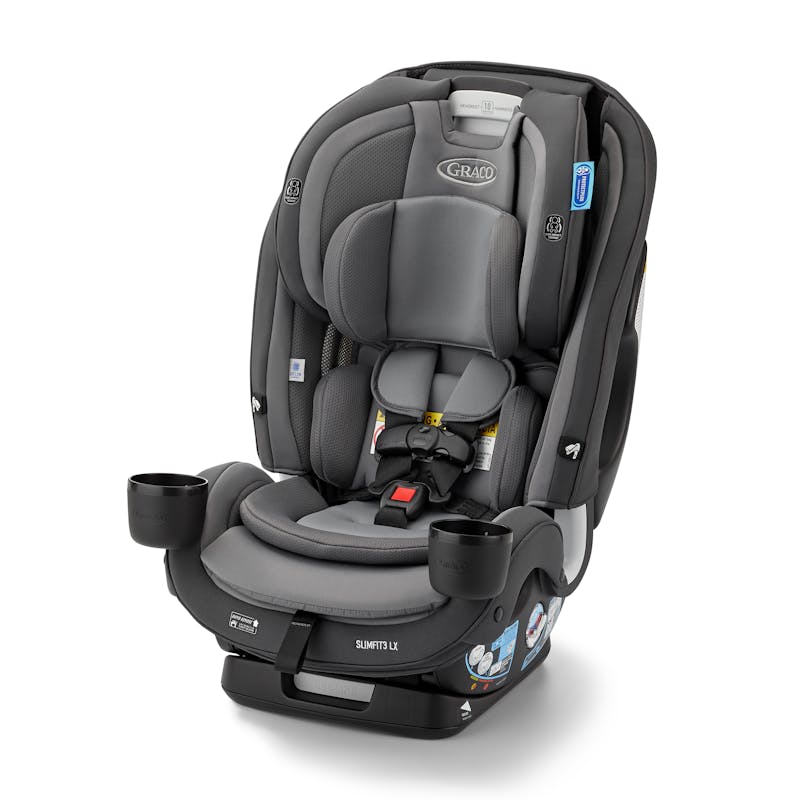
| Graco SlimFit3 LX | 16.7″ | $229.99 | 5–40 lb | Narrowest widely available |
| Diono Radian 3QX | 17.0″ | ~$280 | 4–50 lb | 3-across, steel-reinforced frame |
| Clek Foonf | 16.9″ | $450–550 | 14–50 lb | Premium safety, rigid LATCH |
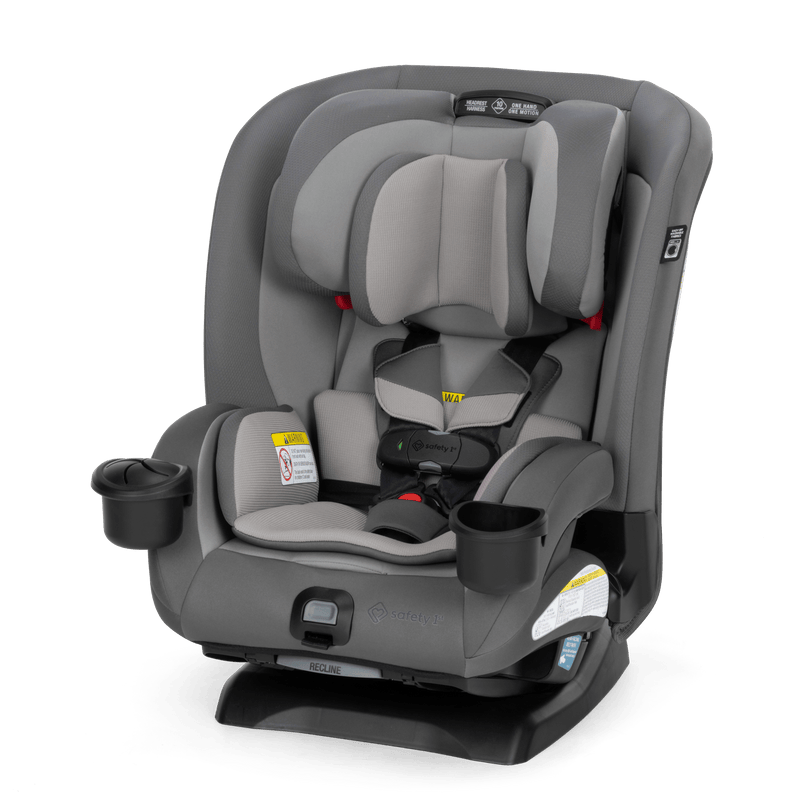
| Safety 1st EverSlim | 17.3″ | ~$220 | 5–40 lb | Budget-friendly narrow pick |
| Graco Extend2Fit | ~19″ | $269.99 | 4–50 lb | Saving front-to-back legroom, not width |
The picks, in detail

Graco SlimFit3 LX
At 16.7″ wide, this is the narrowest widely-stocked convertible seat on the market — a full 3″ slimmer than Graco’s original SlimFit. Rear-facing to 40 lb, forward-facing to 65 lb, then converts to a highback booster.

Diono Radian 3QX
A steel-reinforced frame and anti-rebound bar in a 17″ footprint, with rear-facing to 50 lb and forward-facing to 65 lb with harness — one seat that covers most of a child’s car-seat life.

Clek Foonf
Rigid-LATCH installation and a reinforced steel shell in a 16.9″ profile. Heavier and pricier than the rest of this list, but it’s the seat car-seat-technician sites reach for when width and crash protection both matter.
Safety 1st EverSlim All-in-One
17.3″ wide without cup holders, and the only seat here that goes all the way from rear-facing infant use through backless booster in one shell — useful if you don’t want to buy a second seat later.

Graco Extend2Fit
Not a narrow seat — about 19″ wide — but its 4-position extension panel adds up to 5″ of rear-facing legroom in an upright install, which is what actually matters if your front seats are the tight fit, not your back doors. We compared it head-to-head with the Britax Boulevard here.
Does seat width or front-to-back depth actually matter for your car?
It depends on which dimension is tight. If you’re trying to fit three seats across one bench (or two seats plus an adult), width in inches is what determines whether the buckles even reach. If your back seat is roomy side-to-side but your front seats sit close to the dash, the real problem is front-to-back depth — how far a rear-facing seat’s recline pushes into the front passenger’s legroom. The SlimFit3 LX, Radian 3QX, Foonf, and EverSlim solve the first problem. The Extend2Fit solves the second by using a more upright rear-facing recline instead of shaving inches off the sides.
How do I check if a seat will actually fit my car?
Manufacturer width numbers are measured on the seat shell itself, not installed at an angle in your specific vehicle — a seat’s real-world footprint can run an inch wider once it’s reclined and buckled in. Before buying, measure your back seat’s usable width between armrests or the two outer buckles, and check the seat maker’s fit guide for your specific car model where one exists. If you’re installing three seats across, most car-seat safety technicians recommend leaving a little slack rather than relying on manufacturer widths alone, since installation angle and seatbelt buckle stalks can eat into the margin.