
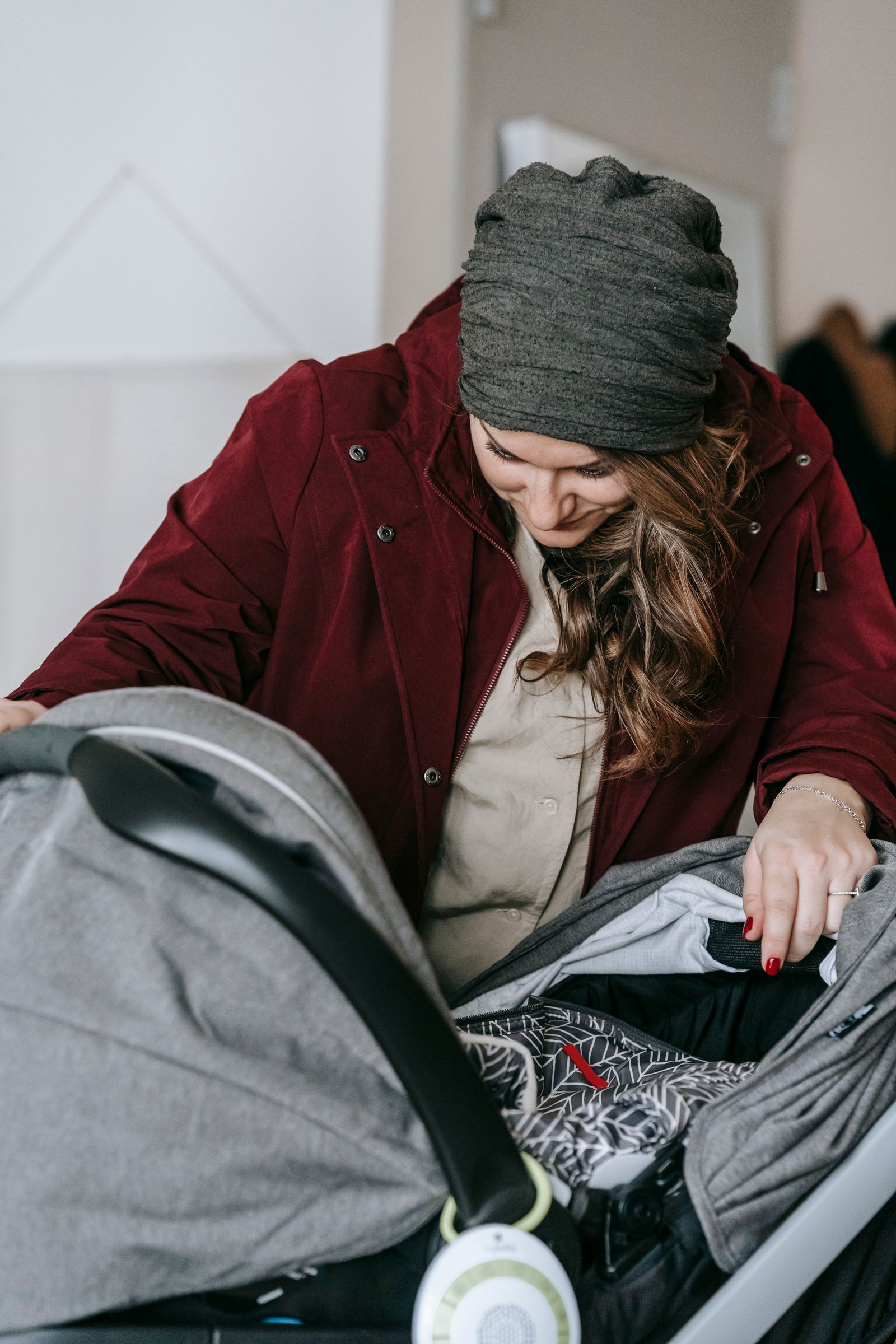
Best Strollers for Newborns in 2026
A stroller is safe for a newborn only if it lies flat or pairs with an infant car seat — babies can’t safely sit upright or support their own head until several months old. Our top pick, the UPPAbaby Cruz V3, works from birth with a compatible car seat or bassinet and starts at $899.99 — here’s how it and five other newborn-ready picks compare.
Best strollers for newborns at a glance
Full specs and our take on all 6 picks. “Shop now” goes straight to the retailer; “More details” jumps to the full writeup further down this page.

UPPAbaby Cruz V3
Pairs with the Mesa V3 infant car seat or a compatible bassinet for true newborn use, then grows into a full-size stroller that holds up to 50 lb.

Britax Willow Brook Travel System
Comes with the Willow infant car seat and Aspen base already included — one purchase gets you a car seat, base, and stroller instead of buying each separately.

Silver Cross Nia
A near-flat recline in a 15.7 lb frame that folds to 9.5″x17.5″x21.5″ — small enough for a coat closet, still rated from birth.

Orbit Baby M+ Stroller
The seat rotates 360° to face you or the world without removing it — pair it with the Stroll & Lounge bassinet or a compatible infant car seat for true newborn use.

UPPAbaby Minu V3
IATA cabin-compliant and usable from birth with a compatible infant car seat — the pick for parents who’ll be flying or navigating tight city spaces early.

Cybex Coya
Folds to 20.5″x17.3″x7.1″ — slim enough to store upright in a closet — with a lie-flat recline suitable from birth.
Best strollers for newborns, explained
Picks here range from $670 to $1,497, and unlike most stroller categories, price here mostly buys you convenience, not safety — every pick on this list is newborn-safe one way or another, either through a near-flat recline built into the stroller seat itself, or by pairing with an infant car seat or bassinet. The real question is which path fits your life: a travel system that bundles everything in one box, a standalone stroller you’ll pair with gear you already own, or an ultra-compact frame that folds small enough to live in a closet or trunk. Below, we go through what each of these 6 does best — and who should skip it.
Our 6 picks, reviewed
UPPAbaby Cruz V3
Why we picked it: The Cruz V3 isn’t newborn-ready out of the box — it needs the Mesa V3 infant car seat or a compatible bassinet clicked onto the frame — but once it is, it’s one of the most-reviewed, highest-rated full-size strollers on the market, and it grows with your child up to 50 lb without needing to be replaced.
Britax Willow Brook Travel System
Why we picked it: This is the only pick on this list where the car seat, base, and stroller all arrive in one box, click-compatible out of the gate — genuinely useful if you don’t already own an infant car seat and don’t want to research three separate purchases. The Willow seat is rated 4–35 lb, covering nearly all of the newborn and early-infant stage.
Silver Cross Nia
Why we picked it: At 15.7 lb with a near-flat recline built into the seat itself, the Nia doesn’t require a separate car seat or bassinet to be newborn-safe — a real advantage if you want one piece of gear instead of three. It still folds down to 9.5″x17.5″x21.5″, small enough for a coat closet.
Orbit Baby M+ Stroller
Why we picked it: The M+ seat clicks off and rotates a full 360° without tools, so you can face baby toward you or out at the world in seconds — a feature most strollers charge much more for. It’s a genuinely different mechanism than every other pick on this list.
UPPAbaby Minu V3
Why we picked it: At 16.7 lb and IATA cabin-compliant when folded, the Minu V3 is built for parents who’ll be flying, taking transit, or navigating a small apartment early — pair it with a compatible UPPAbaby infant car seat or bassinet accessory for newborn use, and it still holds a child up to 50 lb.
Cybex Coya
Why we picked it: The Coya’s seat lies nearly flat and is rated safe from birth without needing a separate car seat or bassinet, and at 14.6 lb it’s the lightest pick on this list. The one-hand, self-standing fold collapses to a slim 7.1″ deep — it can stand upright in a closet corner instead of lying on its side.
How to choose a stroller for a newborn
- Confirm the newborn path before you buy. A stroller is newborn-safe one of three ways: a seat that reclines fully flat, a compatible bassinet attachment, or a compatible infant car seat that clicks onto the frame. Check which path applies before assuming any stroller works from day one.
- Add the real cost of the newborn-ready path to the sticker price. A $899.99 stroller that needs a $300+ car seat isn’t actually a $899.99 purchase for a newborn — travel systems like the Willow Brook bundle this cost in upfront instead.
- Weigh portability against your actual routine. If you’re flying, using rideshares, or living somewhere without elevator access, a sub-17 lb frame like the Minu V3 or Coya matters more than it will once your child is walking.
- Check the car seat adapter list, not just the brand name. Even within one brand, not every stroller frame accepts every infant car seat without buying a separate adapter — confirm your exact combination before ordering both pieces.
- Register the stroller with the manufacturer. This is what triggers a direct recall notice if one is ever issued, rather than relying on hearing about it secondhand.
A quick safety note
Newborns lack the neck and torso strength to sit upright, so the American Academy of Pediatrics recommends a fully reclined or flat position until a baby can support their own head, typically around 4-6 months. Never use an upright stroller seat that isn’t rated for newborns, even for a short trip, and always check the CPSC recall list before buying any stroller, new or secondhand.