
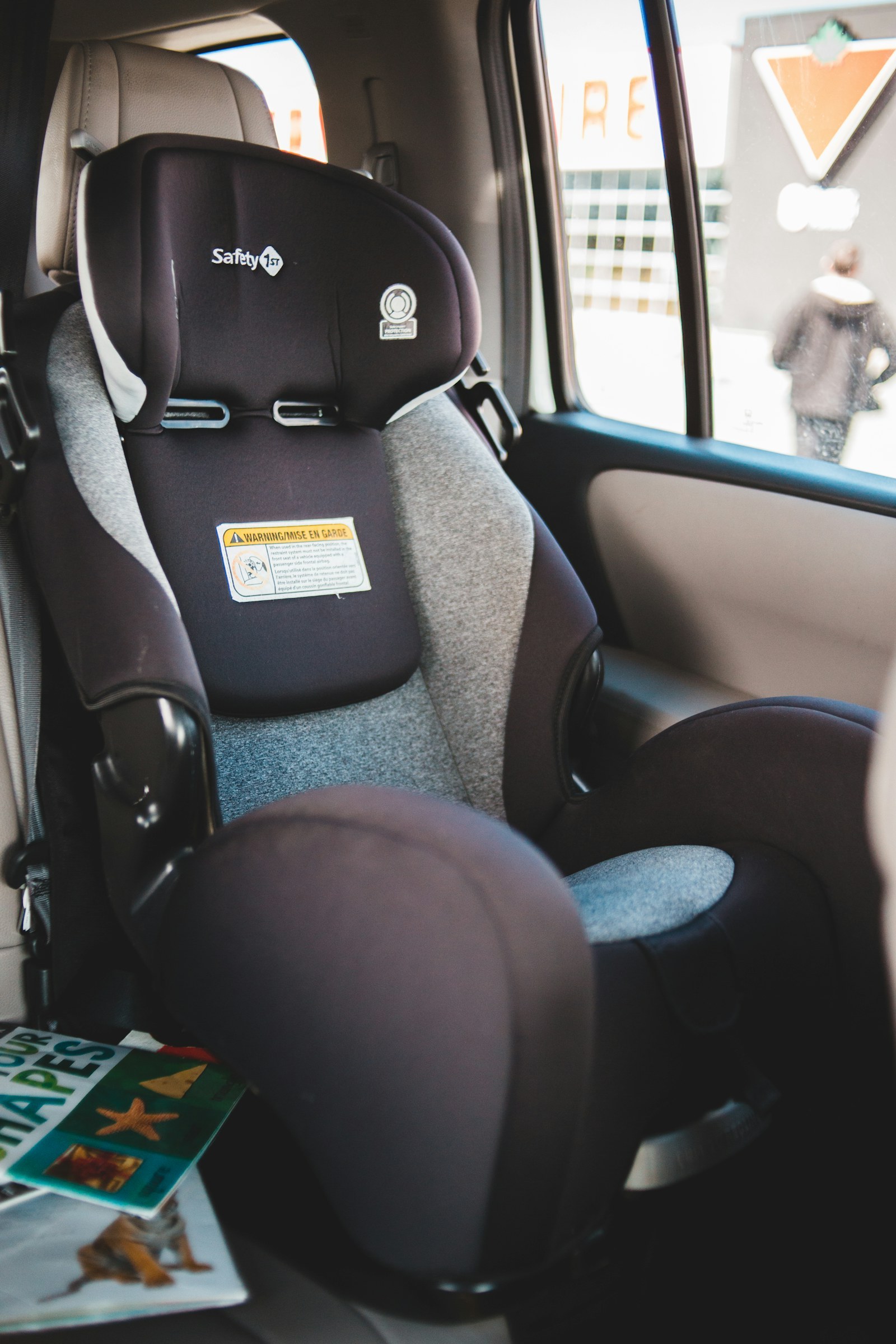
Both of these are well-reviewed convertible seats that rear-face longer than most competitors. The short version: the Graco Extend2Fit is the budget-friendly, feature-rich pick, and the Britax Boulevard ClickTight is the easier-to-install, more padded pick at a higher price. Specs and prices below are approximate and change, always confirm current numbers on the manufacturer’s site before buying, and always follow the installation manual for your specific vehicle.
| Graco Extend2Fit | Britax Boulevard ClickTight | |
|---|---|---|
| Rear-facing range | 4 to 50 lb | 5 to 40 lb |
| Forward-facing range | 22 to 65 lb | 20 to 65 lb |
| Approx. price | $170 to $220 | $325 and up |
| Weight of seat | About 19 lb | About 29 lb |
| Install system | Standard harness install | ClickTight, seatbelt threads through like a car door |
| Standout feature | 4-position extension panel adds up to 5 inches of rear-facing legroom | Extra layer of side-impact protection, easier one-person install |
Graco Extend2Fit: the pick if you want longer rear-facing at a lower price
The extension panel is the real differentiator here, it physically extends to give a longer-legged toddler more rear-facing legroom, which is a common reason parents turn a child forward-facing earlier than they’d like. It’s lighter, easier to move between cars, and costs meaningfully less than the Britax. Good fit if budget matters and you want to maximize rear-facing time. Skip it if hands-on installation isn’t something you want to deal with more than once, the harness-and-buckle install takes more effort to get tight and correct than ClickTight.
Britax Boulevard ClickTight: the pick for easier installs and extra padding
ClickTight is a genuinely different installation experience, the seat opens like a car door, you thread the seatbelt through, and close it to tension and lock the belt automatically. It’s harder to install a car seat wrong with this system, which matters if you’re moving the seat between cars often or aren’t confident about installation. It also has more padding and an extra layer of side-impact protection. Good fit if easy, confident installation matters more to you than price. Skip it if budget is the deciding factor, you’re paying a real premium for the install system and materials.
What actually matters more than either of these specs
- Fit in your specific vehicle: a seat that installs easily in one car can be a struggle in another. If possible, test-install before buying, some baby stores will let you try.
- Get it inspected: many fire stations and hospitals offer free car seat installation checks. A seat installed slightly wrong loses most of its safety benefit.
- Expiration matters: car seats expire, typically 6 to 10 years from manufacture. Check the sticker on the seat itself, not just the box.
- Both of these are safe, well-reviewed seats. The choice between them is really about your budget and how much you value an easier install, not one being meaningfully safer than the other.
Frequently asked questions
Can I install either of these seats with just a seatbelt, no LATCH?
Yes, both can be installed with either LATCH or the vehicle seatbelt. LATCH has a weight limit, usually around 65 pounds combined seat and child weight, check your specific seat’s manual, after which point you’ll need to switch to a seatbelt install regardless of which system you started with.
Do I need to buy a new car seat if I’m switching cars often, like a rideshare or a grandparent’s car?
Not necessarily, but frequent moves between vehicles is exactly the situation where install difficulty matters most. This is the strongest practical argument for the Britax’s ClickTight system if you’re regularly reinstalling rather than leaving one seat in one car.
How do I know if my child has actually outgrown rear-facing?
Both seats list rear-facing weight and height limits on a label on the seat itself, and most convertible seats also have a minimum distance from the top of the child’s head to the top of the seat shell. Your child needs to hit either the weight, height, or headroom limit, whichever comes first, not just reach a certain age.
How to choose between the two if price isn’t the deciding factor
If price and install ease are close to a wash for your situation, look at how long each seat covers your child at the upper end. Both are convertible seats meant to last through the forward-facing years, but rear-facing weight and height limits vary by exact model year, so check the current specs rather than assuming they match. If you’re buying for a family that plans more kids, prioritizing how well the fabric holds up to repeated cleanings and how easy the harness is to adjust as your child grows can matter more over the seat’s full lifespan than the small differences in install method.
Can I buy either of these seats used or secondhand?
Car seat safety experts generally recommend against buying a used seat unless you know its full history, since a seat can have hidden crash damage, missing parts, or be past its expiration date without any visible sign. If a seat comes from a trusted family member who can confirm it’s never been in a crash and isn’t expired, it’s a reasonable exception. Buying from an unknown secondhand source, including many resale marketplaces, carries real risk that isn’t worth the savings.
Looking for something specific to your child’s age and your vehicle? The Get Personalized Picks tool factors in more than just price. This article contains affiliate links, see our affiliate disclosure for details.
Related guides: Best Convertible Car Seats of 2026 · Best Car Seats of 2026